Kategóriák
-
CFS Koltsova - "Vita 12"
-
CFS Koltsova - "Kék alapsorozat"
-
CFS Koltsova - "Zöld sorozat"
-
CFS Koltsova - "Lila sorozat"
-
CFS Koltsova - "Arany sorozat"
-
CFS Koltsova - "Gyűjtői sorozat"
-
CFS Koltsova - "Exkluzív sorozat"
-
CFS Koltsova - "Elit sorozat"
-
CFS Koltsova - "Miriadok"
-
CFS Koltsova - "Arcanum sorozat"
-
CFS Koltsova - "Telefon védelme"
-
CFS Koltsova - "Karkötők"
-
Étrend-kiegészítők








![Zenin Stanislav Valentinovich - professzor, a biológiai tudományok doktora, a kémiai és filozófiai tudományok kandidátusa A világon elterjedt anyag azonban az egyik könyvből a vízen át a másikba vándorol ugyanazzal a céllal – hogy felkeltse az olvasó érdeklődését. Úgy tűnik számodra, hogy tudsz valamit a vízről, de valójában van benne valami titokzatos és kiismerhetetlen, amiről még csak nem is tudsz. Ennek a kérdésnek ez a háttere változatlanul érezhető volt, majd megerősítette a víz furcsa tulajdonságainak felsorolásával, amelyek indokolták a kérdés formáját. <br> Íme, néhány a víz legfontosabb jellemzői közül. Először is, szobahőmérsékleten kémiai tulajdonságai alapján gáznak kellett volna maradnia. A legszembetűnőbb példa, amely megerősíti ezt az állítást, egy rokon vegyület, a hidrogén-szulfid gáz halmazállapotú létezése, bár az oxigént helyettesítő kénatom még kétszer nehezebb, mint az oxigénatom. Geometriailag a hidrogén-szulfid molekula abban különbözik a vízmolekulától, hogy az S-H kötések közötti szög 92 fok, míg az O-H kötések közötti szög 104,5 fok. Emlékezzünk vissza, hogy elméletileg a kvantumkémia szerint egy ilyen szögnek helyesnek kellett lennie. Mint látható, a vízmolekula geometriája meglehetősen erősen eltért az elmélettől, ellentétben a hidrogén-szulfid molekula geometriájával, amely szinte pontosan megközelítette a számítottat. Meglepő módon ez a különbség határozta meg ezeknek az anyagoknak a különböző halmazállapotát, így a víz szobahőmérsékleten folyékony. <br> Nem csoda, hogy egy ilyen furcsán nyert folyadék szokatlan tulajdonságokkal rendelkezik. És nem csak az a lényeg, hogy a fagyás- és forráshőmérsékletének lényegesen alacsonyabbnak kellett volna lennie, hanem az is, hogy a víz maximális sűrűsége körülbelül négy Celsius-fok, és ezért az ezt követő lehűtéssel csökkenni kezd, és nem nő, mint minden normál, csökkenő hőmérsékletű folyadék. Erre a tényre még mindig nincs ésszerű magyarázat, bár a lebegő jég folyamatosan emlékeztet bennünket erre az anomáliára. <br> Természetesen vannak más szokatlan tulajdonságok is, például a hőkapacitás minimális értéke 35 Celsius fokon, ami az élő szervezetek számára mindenképpen fontos. <br> Mindez elegendőnek bizonyult a víz szerkezetének vizsgálatához, különösen mivel az emberi szervezetben a vízi környezet 70-80%-ot tesz ki. <br> <b>4. VÍZSZERKEZETI PROBLÉMA. </b> <br> Mindenekelőtt meg kell magyarázni, miért vált hirtelen problémássá a „vízszerkezet” fogalma, és miért kell egyáltalán ehhez a bonyolult és emészthetetlen fogalomhoz hozzányúlni. A helyzet az, hogy a víz szokatlan tulajdonságait valahogy meg kellett magyarázni, és a vízmolekulák belső átalakulásai mellett valószínűleg egyszerűen nem lehetett semmi okot adni e tulajdonságok megnyilvánulására. <br> Az akadémiai tudományos körök óvatosságát a „struktúra” szóval szemben a vízzel kapcsolatban kétféleképpen magyarázták. Először is, a vízmolekulák belső átalakulásának egyetlen tényezője - a hidrogénkötés - rendkívül rövid élettartammal rendelkezik: körülbelül tíz-mínusz tizenketted-tizennegyedik másodperc. Micsoda szerkezet van! Mielőtt ideje lenne felkelni, már szét kell esnie. Másodszor, a víz szerkezetének jelenlététől a „hírhedt” „víz emlékéig” egy lépés. Ez a fogalom pedig nem túl tudományos nézetek egész eposzához kapcsolódik. A konzervatív tudományos körök számos híve jutott erre a következtetésre. A tény az, hogy a francia Jacques Benvenisto még 1988-ban homeopátiás kutatásainak elemzése alapján [6] hirdette a vízemlékezet jelenségét, természetesen anélkül, hogy bármit is említett volna a víz szerkezetére vonatkozó molekuláris elképzelésekről. Ez viharos tiltakozást váltott ki az ellen, hogy a jól szervezett állatok tulajdonságait közönséges anyagoknak tulajdonítsák. Még kétszer is megpróbálták „kiosztani” neki a bohókás Nobel-díjat egy ilyen „nevetséges” javaslatért. Amikor e sorok írója oroszországi látogatása során, két évvel halála előtt, az Egészségügyi Minisztérium Szövetségi Központjában elmondott beszéde után részletesen kikérhette véleményét a vízmemória mechanizmusának megfejtéséről, magabiztosan azt válaszolta, hogy ezt fizikai kémikusoknak és biofizikusoknak kell megtenniük. Ismerve a vízzel kapcsolatos fizikai és kémiai kutatásaink irányát, J. Benvenisto azonnal hozzátette: „Tehát el kell jutnia a vízmemória mechanizmusának magyarázatához.” Így egyrészt megmutatta, hogy a víz emlékéről sokkal finomabb szinten kell beszélni, mint a biomakromolekulákról, másrészt megerősítette álláspontját ebben a kérdésben is - kutatásai szintjén egyértelmű meggyőződés született a „vízemlékezet” jelenség létezéséről. Véleménye szerint a vízmemória mechanizmusának teljes megerősítését és dekódolását csak molekuláris szinten lehetett elérni. <br> A tudományos közösség nihilista hozzáállása a vízben előforduló intramolekuláris kölcsönhatások vizsgálatához azonban nemcsak a hidrogénkötés rövid élettartamával magyarázható, hanem elképzelhetetlen sokféleségével is. Képzeljük el, hány ilyen kötés kombinációja érhető el, ha akár egy vízmolekulának is négy központja van a hidrogénkötések kialakulásához. A dimerben hat, a trimerben már nyolc lesz, és az ezt követő molekulák ezeknek a központoknak bármelyikéhez kapcsolódhatnak hidrogénkötések kialakítása céljából. Ezért a vízmolekulák asszociációs útjának megválasztása mindig is komoly akadályt jelentett szerkezeti állapotának vizsgálatában. <br> A víz szerkezetének és emlékezetének kapcsolata azonnal hidat képez a molekuláris fogalmaktól a bioenergia-terápia tudományos alátámasztásához szükséges következtetésekig, ez az út azonban hosszúnak és fáradságosnak bizonyult, ami elvileg minden komoly tudományos kutatásra jellemző. <br> <b> <br> 5. A VÍZ SZERKEZETI ÁLLAPOTÁNAK DEKÓDOLÁSA. </b> <br> <b>5-1. Stabil munkatársak kialakítása. </b> <br> <img class=](https://cdn.pksova.com/blogs/01aayxiHxRmLbqfoeqxfOsQ6GtLaCy6vYnckIGMl.png "Zenin Stanislav Valentinovich - professzor, a biológiai tudományok doktora, a kémiai és filozófiai tudományok kandidátusa, a Nemzetközi Energiainformációs Tudományok Akadémia elnöke, az Orosz Természettudományi Akadémia akadémikusa, Moszkva.") Lenyűgözőnek bizonyultak a vízben zajló elemi események sorozatának részletes tanulmányozásának eredményei. A víz egy szigorúan rendezett, teljesen determinisztikus rendszer formájában jelent meg a kutatók előtt. Ez egyrészt a statisztikus termodinamika álláspontjából ellentmondó megfontolásnak, másrészt a vizes környezetben zajló komplexképződés kémiai folyamatainak teljes körű figyelembevétele miatt volt vonzó, enélkül helytelennek tűnik a statisztikai törvényszerűségek alkalmazása a kölcsönható molekulák káoszában.
Lenyűgözőnek bizonyultak a vízben zajló elemi események sorozatának részletes tanulmányozásának eredményei. A víz egy szigorúan rendezett, teljesen determinisztikus rendszer formájában jelent meg a kutatók előtt. Ez egyrészt a statisztikus termodinamika álláspontjából ellentmondó megfontolásnak, másrészt a vizes környezetben zajló komplexképződés kémiai folyamatainak teljes körű figyelembevétele miatt volt vonzó, enélkül helytelennek tűnik a statisztikai törvényszerűségek alkalmazása a kölcsönható molekulák káoszában. 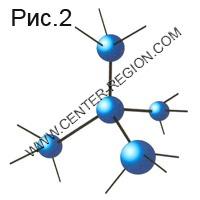
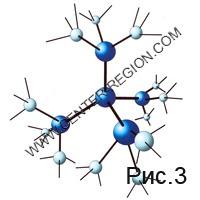

 Természetesen egy feltételezett rendkívül szimmetrikus környezete egy vízmolekulának (Fig még 2 rövid ideig) létezhet. De a hidrogénkötések kialakulásának központjai mind a négy külső molekulában, amelyekből egyenként három maradt, a kölcsönhatás valószínűségét tekintve semmivel sem rosszabbak, mint a már elreagált centrumok, és ezekhez valamikor vízmolekulák is kapcsolódhatnak (3. ábra). Egy ilyen tizenhét molekuláris képződmény természetesen csak hipotetikusan képzelhető el rövid távú fennállása miatt, de a hidrogénkötések tetraéderhez közeli szögben és az ötszög szögéhez viszonyított kölcsönös elrendeződésének geometriája a hat öttagú ciklus egyidejű kialakulása miatt váratlanul lehetőséget ad létezésének meghosszabbítására (Fig). A kémiai-kinetikai elképzelések szerint ebben az esetben a társult személyek hosszabb távú létezésbe áramlásának „csordulása” szűkösnek tűnik a koncentrációban. Az élettartam növekedése annak köszönhető, hogy a potenciális energia kút, amelyben mind a 17 molekula található, mélyül, azonnal hat energiával egyenlő hidrogénkötés képződéssel. De a lényeg nem is ez, hanem a neoplazma kialakuló geometriája. Ugyanaz a hat hidrogénkötés-képződési centrum elrendezése jelenik meg egy síkban, amelyek a komplementaritás feltétele mellett a milliomodik kölcsönhatási állandó miatt hasonló képződéssel „összeomlanak”.
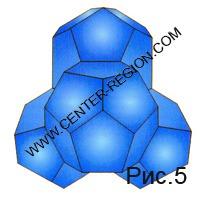
  magasság="20 title="0"yc hat kvantum képződése - hópehely" src="https://cdn.pksova.com/blogs/hSDeafmYofByxhPvYxfsYlOdNPaOo58rLohemgWQ.jpg" alt="Hat kvantum ciklikus kialakulása - hópehely" align="left" border="0">Hat potenciális energia "csordulása" egy-egy hosszabb potenciális társ áramlásába 17 molekuláris mag "� „Elértem” a potenciálkút következő mélyítését, ami szintén hat hidrogénkötési energiával egyenlő. Ennek eredményeként egy gyönyörű geometriai alak jelenik meg (5. ábra) - egy dodekaéder tetraéder [7,8], amely a további építés során mintegy „kvantummá” válik - egyfajta kényelmes tégla az építkezéshez.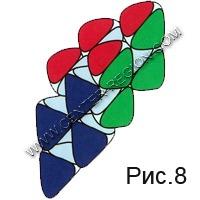
 Ezt megerősíti a hidrogénkötésekkel való asszociáció általános sémájának elemzése is, amelyből egy egyszerű képlet [8] következik, amely korlátozza a hidrogénkötések valamilyen formájával kapott egységek számát egy, hat, tizennyolc és végül huszonnégy:
  A hidrogénkötések szinte teljes hiánya a szerkezeti elemek között lehetővé teszi, hogy úgy tekintsük őket, mintha Coulomb-mezőben lennének felfüggesztve, ami biztosítja rendkívüli labilitásukat és ennek megfelelően nagy érzékenységüket a külső mágneses tér hatására.
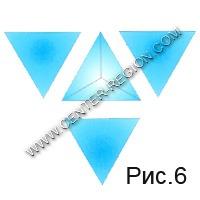
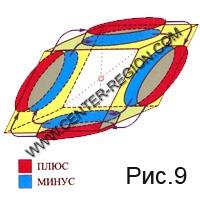
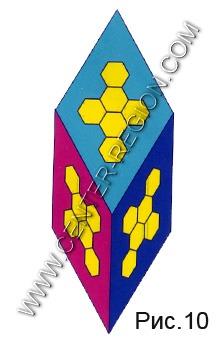
 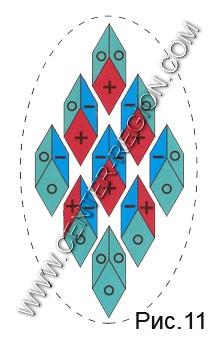 A szerkezeti elemek felületén a töltésminták sokfélesége enged következtetni a későbbi kölcsönhatásaik természetére. A valóságban minden egyes elemet más szerkezeti elemek vesznek körül, amelyek kölcsönösen komplementer töltéseloszlású11 (1. ábra). Nyilvánvaló, hogy először a kompenzálatlan töltésű felületek lépnek kölcsönhatásba, mivel a hidrogénkötések kialakulásának 24 központjából nem mindig lesz pontosan 12 oxigénatom és ennek megfelelően 12 hidrogénatom minden oldalon. Ekkor az úgynevezett mátrixpolarizált lapok kölcsönhatására kell számítanunk, amikor egy általában töltéssemleges lapon különböző előjelű töltéscsoportok térben elkülönülnek. Egyfajta töltés-komplementer kölcsönhatás lehetősége akkor merül fel, ha a mátrix-polarizált lapok töltésekkel ellentétes töltéscsoportokkal kölcsönösen orientálódnak, és ennek megfelelően az ellentétes töltések kölcsönhatási energiája miatt stabilizálódnak. Továbbá az ilyen töltött helyek teljes kompenzálásával az oldalakon töltések jelenhetnek meg a maradék oldalsó központokon a hidrogénkötések kialakítása érdekében, amelyek nem vesznek részt a szerkezeti elem kialakításában [11].