Категории
-
КФС Колцов - "Вита 12"
-
КФС Колцов - "Синя базова серия"
-
КФС Колцов - "Зелена серия"
-
КФС Колцов - "Люлякова серия"
-
КФС Колцов - "Златна серия"
-
КФС Колцов - "Колекционна серия"
-
КФС Колцов - "Ексклузивна серия"
-
КФС Колцов - "Елитна серия"
-
КФС Колцов - "Мириади"
-
КФС Колцов - "Серия Арканум"
-
КФС Колцов - "Защита за телефона"
-
КФС Колцов - "Гривни"
-
Хранителни добавки


 Странна формулировка на въпроса кое изглежда най-често срещаното и най-разпространената субстанция в света обаче мигрира от една книга през водата в друга със същата цел - да заинтригува читателя. Струва ви се, че знаете нещо за водата, но всъщност в нея има нещо тайнствено и непознаваемо, за което дори не подозирате. Този фон на този въпрос неизменно се усещаше и след това се подсилваше чрез изброяване на странните свойства на водата, които оправдаваха формата на въпроса.
 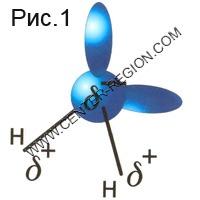 За получаване на първична картина на структурното състояние на водата през последните времена на един век много учени са положили много усилия. Но според повечето експерти доскоро не беше възможно да се получи задоволителна картина при създаването на структурни модели на водата. Това обстоятелство стана малко по-ясно, когато бяха установени причините за такива неуспешни опити за изследване на водата. Ако по-рано, с обичайния термодинамичен подход, водата трябваше да се разглежда като статистическа система от хаотично взаимодействащи молекули, последните изследвания показаха възможността за качествено различен подход, който отчита първоначалните структурни характеристики на водната молекула и насочения характер на процеса на образуване на водородни връзки (фиг. 1), т.е. определен ред в последователността на взаимодействие на центрове за образуване на водородни връзки във водата.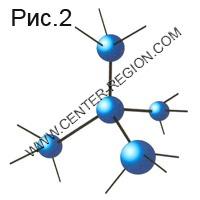
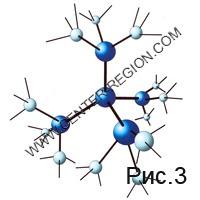
 Разбира се, предполагаемата симетрична среда на една водна молекула с още четири (фиг. 2) може да съществува за изключително кратко време. Но центровете за образуване на водородни връзки във всяка от четирите външни молекули, от които остават по три, не са по-лоши от гледна точка на вероятността за взаимодействие от вече реагиралите центрове и водните молекули също могат да бъдат свързани с тях в даден момент (фиг. 3). Такава седемнадесетмолекулна формация, разбира се, може да се представи само хипотетично поради нейното краткосрочно съществуване, но геометрията на взаимното разположение на водородните връзки под ъгъл, близък до тетраедричния и до ъгъла на петоъгълника, неочаквано дава възможност да се увеличи продължителността на съществуването му поради образуването на шест петчленни цикъла наведнъж (фиг. 4). Според химико-кинетичните концепции, в този случай „струйката“ на потока от асоциации в по-дългосрочно съществуване изглежда тясна по концентрация. Увеличаването на продължителността на живота се дължи на задълбочаването на потенциалната енергийна яма, в която се намират всичките 17 молекули, непосредствено с количество, равно на шест енергии на образуване на водородна връзка. Но основното дори не е това, а възникващата геометрия на неоплазмата. В една равнина се появява същата подредба на шест центъра на образуване на водородна връзка, които при условие на допълване са готови да се „срутят“ с подобно образуване поради милионната константа на взаимодействие.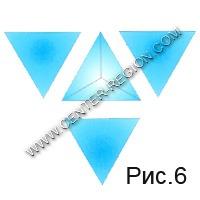
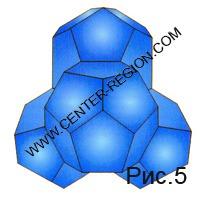
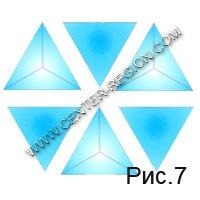 "Стойка" на потока от сътрудници в по-дългосрочно съществуване във всяка от шестте потенциални енергийни кладенци на 17-молекулното ядро "� „Стигнах“ до следващото задълбочаване на потенциалната яма, което също е равно на шест енергии на водородна връзка. В резултат на това се появява красива геометрична фигура (фиг. 5) - додекаедричен тетраедър [7,8], който като че ли се превръща в един вид „квант“ в по-нататъшното изграждане - вид удобна тухла за строителство.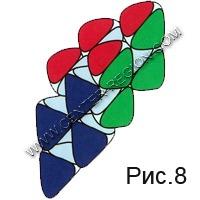
 Вероятно ще изглежда странно, че такова мощно увеличение в броя на водните молекули и тогава броят на "квантите" в асоциираните може внезапно да приключи. Вероятността за взаимно взаимно взаимодействие наведнъж с шест, след това с осемнадесет, а сега с двадесет и четири центъра за образуване на водородни връзки бързо намаля поради рязкото увеличаване на броя на комбинациите, които трябва да бъдат подредени, за да се „попадне“ на допълнителна комбинация. Следователно, такова мощно увеличение на константата на свързване в тези центрове беше компенсирано от еднакво мощно намаляване на вероятността от допълващо взаимодействие. На нивото на двадесет и четири центъра водородната връзка спря.
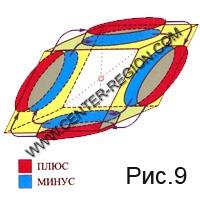
 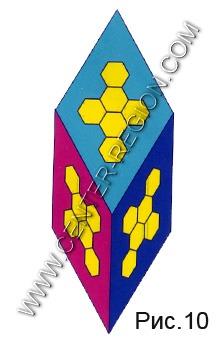 Стабилен структурният елемент има на лицата си частично заредени кислородни и водородни атоми, а когато се върти около центъра на тежестта, отрицателно заредена киселина Водородите са с 1,09 ангстрьома по-близо до центъра от положително заредените водороди (фиг. 10). Но това означава, че площта на кръга, очертана от движението на положителните заряди, е по-малка от площта на кръга, очертана от движението на отрицателните заряди. Тяхната разлика определя некомпенсирания магнитен момент на елемента, което веднага елиминира проблема с неразбирането на ефекта на магнитното поле върху водата.
 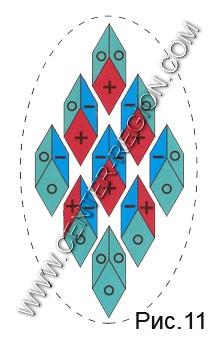 Разнообразието от модели на заряди върху лицата на структурните елементи ни позволява да предложим естеството на последващите им взаимодействия.В действителност всеки елемент е заобиколен от други структурни елементи с взаимно допълващо се разпределение на заряда (фиг. 11). Ясно е, че първо ще си взаимодействат лицата с некомпенсирани заряди, тъй като от 24 центъра за образуване на водородни връзки не винаги ще има точно 12 кислородни атома и съответно 12 водородни атома на всяко лице. Тогава трябва да очакваме взаимодействието на така наречените матрично-поляризирани лица, когато като цяло зарядно неутрално лице има пространствено разделени групи от заряди с различни знаци. Възможността за вид допълващо заряда взаимодействие възниква, когато възниква взаимната ориентация на матрично поляризирани лица от групи заряди, противоположни по заряд и, съответно, тяхната стабилизация поради енергията на взаимодействие на противоположни заряди. Освен това, при пълна компенсация на такива заредени места по лицата, могат да се появят заряди върху остатъчни странични центрове за образуване на водородни връзки, които не участват в образуването на структурния елемент [11].