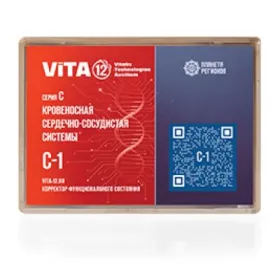
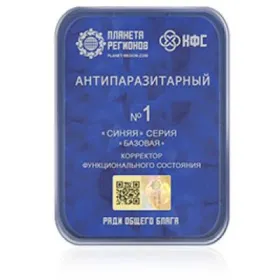
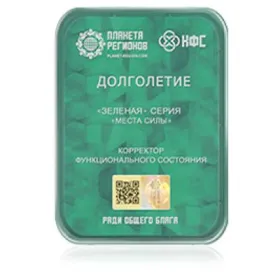
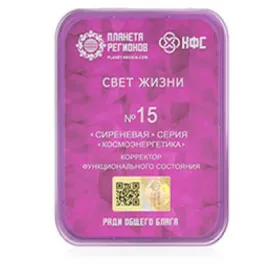
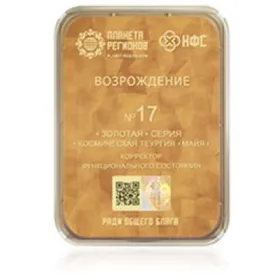
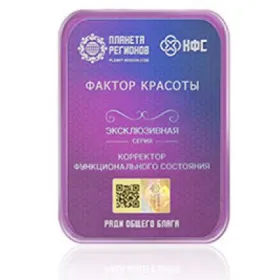
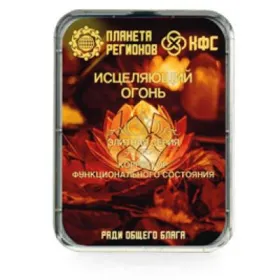
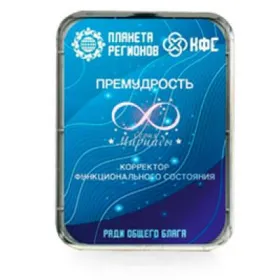
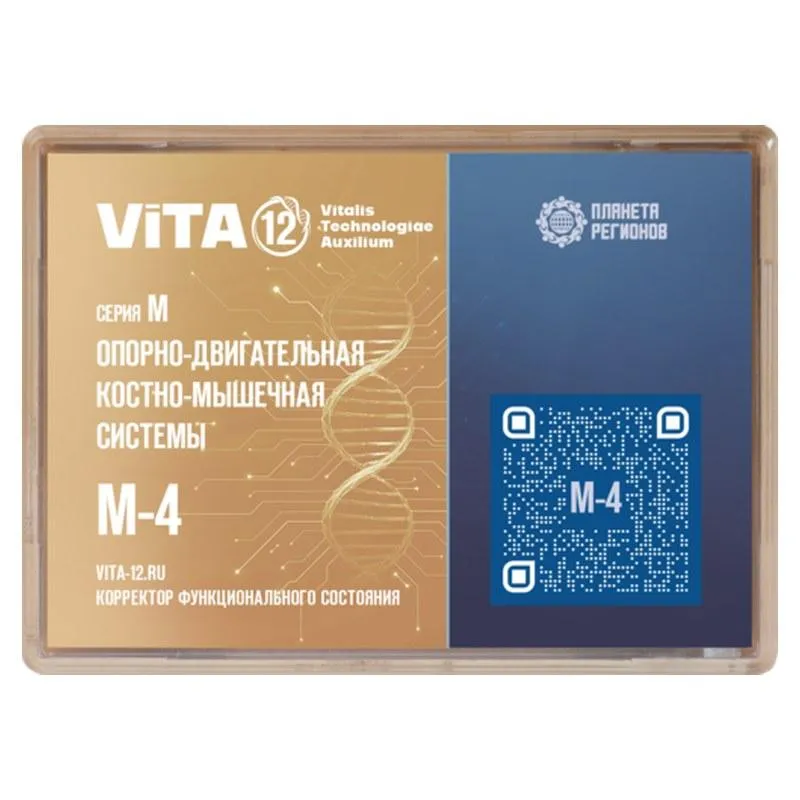
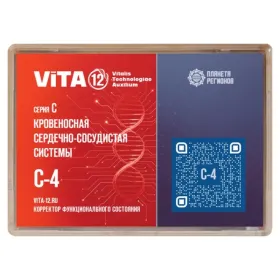
CFS SERİSİ "M":
'NİN UYGULANMASINA YÖNELİK ÖNERİLER class="ck-content">
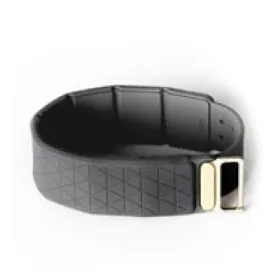
CFS'yi içine temiz su dökeceğiniz bir bardak (kap) için stand olarak kullanın. Su birkaç saniye içinde tüketime hazır olacak. Yeterli miktarda temiz içme suyu alındığından emin olun. DSÖ tavsiyeleri: Kişinin ağırlığının 1 kg'ı başına günde 30-40 ml. Bireysel önerilere, hava koşullarına ve kalınan bölgeye bağlı olarak ses düzeyi yukarı veya aşağı doğru ayarlanabilir. Vücutta aşınma (uygulamalar, yamalar, CFS ve bilgisayarlı harici araçlarla bandajlar) hasarlı dokular (eklemler, bağlar, kaslar) üzerinde lokal bir etkiye sahiptir. Cihazı doğrudan organa veya dış projeksiyonuna 10-15 dakika süreyle uygulayın/uygulayın. Cihaz elastik bir bant kullanılarak dikkatlice sabitlenebilir. Önemli! Uzuvların sıkışması veya sıkışması gibi bir etki olmamalıdır. Çeşitli ürünlerin (merhemler, kremler, solüsyonlar, ampuller vb.) yapısını zenginleştirmek, bunların önleyici kullanımını veya uzman uzmanların tavsiyelerine göre CFS teknolojilerini kullanın. Şişeyi (tüpü) birkaç dakika CFS'ye yerleştirin veya yerleştirin. İşlemi hızlandırmak için kapak açılabilir. Özel ilaçların ve ürünlerin rehabilitasyon teknikleriyle birlikte kullanılması şunları yapmanıza olanak tanır: Yaralanmalar ve ameliyatlardan sonra iyileşmeyi hızlandırır, fizyoterapi ve egzersiz terapisinin etkisini artırır, vücut üzerindeki ilaç yükünü azaltır ve minimum rahatsızlıkla hareketliliği yeniden sağlar. Yaralanmalar ve kas-iskelet sistemi ameliyatları sonrasında rehabilitasyon programlarının etkinliğini artırmak için CFS'yi kullanın: - Fizyoterapinin etkisini arttırmak için fizyoterapötik ekipmanlarla birlikte kullanın (manyetik terapi, ultrason, elektroforez, lazer, şok dalgası terapisi).
- Karmaşık rehabilitasyon programlarına entegrasyon: kinezyoterapi ve egzersiz terapisi ile kombinasyon, mekanoterapide kullanım (eklem simülatörleri), manuel terapi ve masajda kullanım.
CFS'nin aşağıdaki durumlarda rehabilitasyon programlarına dahil edilmesi önerilir:
- Kas-iskelet sistemi yaralanmalarının sonuçları
- Eklem ve omurganın dejeneratif-distrofik hastalıkları
- Ortopedik operasyonlar sonrası durumlar
- Nörolojik komplikasyonlar vertebrojenik oluşum
- Metabolik osteopatiler (osteoporoz, osteomalazi)
Karmaşık rehabilitasyonda CFS kullanımı şunları yapmanıza olanak sağlar:
- İyileşme süresini önemli ölçüde kısaltmak
- Geleneksel rehabilitasyon tekniklerinin etkinliğini artırmak
- Hasarın ana bağlantıları üzerinde patojenik bir etki sağlamak
- Vücuttaki ilaç yükünü azaltın
- Kalıcı klinik iyileşme elde edin
CFS'ni̇n rehabi̇li̇tasyon programina entegrasyonu, süreci̇ hasta i̇çi̇n daha fi̇zyoloji̇k ve konforlu hale geti̇ri̇r!
Hareketsizleştirme: CFS'yi yaralanmanın izdüşümünde bir bandaja/alçıya/orteze takın ve düzeltin. Alternatif: Yaralanma bölgesinin yanındaki cilde sabitleme (açık yara yoksa).
Kriyoterapi: soğuk kompresler için CFS teknolojileriyle etkinleştirilen suyu kullanın. CFS'yi dondurmadan önce buzlu bir kaba veya soğutma jeli paketine takabilirsiniz.
Fizyoterapi:CFS'yi fizyoterapi makinesinin gövdesine yerleştirin. Elektroforez yaparken önceden CFS teknolojileriyle zenginleştirilmiş tıbbi bir solüsyon kullanın.
Egzersiz terapisi:CFS'yi bir uzvunuza veya sırtınızın alt kısmına takın (yük bölgesine bağlı olarak). Pasif eklem gelişimi için eğitmenin elini kullanın.
Manuel terapi ve masaj:CFS'yi masaj masasının üzerine yerleştirin veya altına takın. Masaj terapisti CFS'yi ön kola veya bileğe sabitleyebilir veya cebine koyabilir. CFS teknolojileri tarafından etkinleştirilen yağları/kremleri kullanın.
Mekanoterapi: CFS'yi gelişim alanına (diz, omuz, omurga) takın.
Hidrokineziterapi: CFS'yi su geçirmez bir kutuya yerleştirin, sorunlu bölgenin projeksiyonunda vücuda takın ve egzersizler yapın.
- Akut dönem (yaralanma/ameliyattan sonraki 0-14 gün).
Hedef: ağrıyı, şişliği, iltihabı hafifletmek, komplikasyonları önlemek.
Yöntemler:
- Hasarlı bölgeyi korumak için hareketsizleştirme (alçı, ortez, bandaj).
- Kriyoterapi şişliği azaltmak ve ağrı.
- Nazik egzersiz terapisi (izometrik kas kasılmaları, serbest eklemlerdeki hareketler).
- Fizyoterapi (manyetik terapi, lazer, analjeziklerle elektroforez).
- Subakut dönem (2-6 hafta)
Hedef: iyileşme hareketlilik, kasların güçlendirilmesi, kan dolaşımının iyileştirilmesi.
Yöntemler:
- Yükün kademeli olarak arttırılması (ölçülü hareketler).
- Terapötik egzersiz (fizik tedavi)- pasif ve aktif egzersizler.
- Manuel terapi ve masaj- spazmları hafifletmek, doku trofizmini iyileştirmek.
- Fizyoterapi (ultrason, şok dalgası terapisi, miyostimülasyon).
- Kinesio bantlama- kas ve bağ desteği.
- İyileşme süresi (6-12 hafta veya daha fazla)
Hedef: işlevin, gücün ve dayanıklılığın tamamen restorasyonu.
Yöntemler:
- Aktif egzersiz terapisi (direnç egzersizleri, denge eğitimi).
- Mekanoterapi (eklem egzersiz ekipmanı).
- Hidrokineziterapi. (suda egzersizler).
- Spor rehabilitasyonu (kademeli olarak egzersize dönüş).
- Gerekirse fizik tedaviye devam.
- Koruyucu dönem (iyileşme sonrası)
Hedef:nüksetmelerin önlenmesi, kas-iskelet sistemi sağlığının korunması ve kas-iskelet sistemi.
Yöntemler:
- Düzenli egzersiz (yoga, pilates, yüzme).
- Duruş ve hareket kalıplarının düzeltilmesi.
- İdame masajı ve fizyoterapi kursları.
- KOLLAJEN CFS, kondroprotektörler, vitaminler (D, kalsiyum) alınması.
Ek öneriler:
- Her dönemde Yeterli miktarda alımını sağlayın temiz içme suyu. DSÖ tavsiyeleri: Kişinin ağırlığının 1 kg'ı başına günde 30-40 ml. Hacim, bireysel tavsiyelere göre yukarı veya aşağı doğru ayarlanabilir.
- Kırıklar için: CFS + kalsiyum preparatları → füzyonun hızlandırılması.
- Artroz için: kondroprotektörlerle kombinasyon → kıkırdak koruması.
- Nörolojik bozukluklar için: omurga boyunca CFS → innervasyonun iyileştirilmesi.
Önemli̇ açiklamalar!
- CFS ilaç tedavisinin yerini almaz! CFS bir ilaç veya tıbbi cihaz değildir!
- Ciddi patolojilerde tıbbi gözetim gereklidir.
- Bireysel adaptasyon: vücudun hassasiyetine göre süre ayarlanabilir.
- Molalar:2-3 aylık sürekli kullanımdan sonra 1-2 hafta ara verilmesi önerilir. Kalıcı sonuçlar için sürekli veya seferli kullanım önerilir (yılda en az 3-4 döngü).
- Kendinizi her zaman susuz bırakmayın; Aşağıdaki durumlarda Düzelticileri kendinizle birlikte/üzerinizde takmamalısınız:
- Yapay kalp piliniz (kalp pili) varsa, pil ömrünü kısaltacağından CFS'yi güç kaynağının doğrudan projeksiyonuna takamazsınız.
- Anestezinin kullanıldığı cerrahi operasyonlar sırasında, anestezi işe yaramayabileceği için.
- Çalışmanın sonuçlarını etkilememek için vücudun elektrofizyolojik incelemelerini (EKG, EEG, vb.) yaparken.
- Bir cerrahın acil yardımını gerektiren akut cerrahi hastalıklar için.
- İç organlarda (özellikle safra kesesinde) taş varsa, CFS'leri dikkatli kullanmak gerekir, sürekli değil, dozlar halinde kullanın.
- CFS'ler bağışıklığın geri kazanılmasına yardımcı olduğundan, organ reddine yol açabileceğinden, organ nakli geçirdiyseniz Düzelticileri kullanmanız önerilmez.