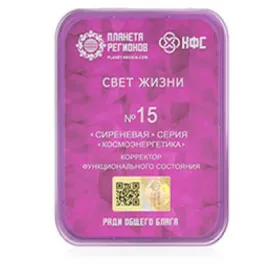
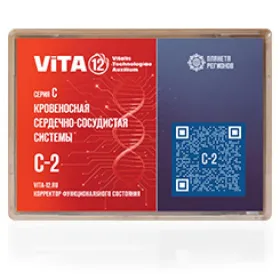
Rekommendationer för användning av CFS serie «M»:
- Använd CFS som en underlägg för ett glas (behållare) där du häller rent vatten. Vattnet kommer att vara klart för konsumtion efter några sekunder.
- Följ intaget av adekvat mängd rent drickbart informatiserat vatten. WHO:s rekommendationer: 30-40 ml per 1 kg kroppsvikt per dag. Volymen kan justeras uppåt eller nedåt beroende på individuella rekommendationer, väderförhållanden och region.
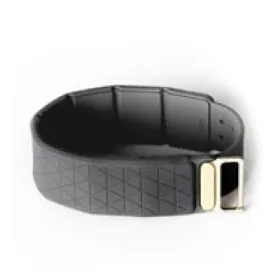
- Att bära på kroppen (applikationer, plåster, bandage med CFS och informatiserade externa medel) ger en lokal effekt på vävnader (leder, ligament, muskler). Applicera enheten direkt på organet eller dess yttre projektion i 10-15 minuter. Enheten kan försiktigt fästas med hjälp av ett elastiskt band. Viktigt! Det får inte finnas något tryck eller klämning av extremiteterna.
- Genomför berikning med hjälp av CFS-teknologier på strukturen av olika medel (salvor, krämer, lösningar, ampuller etc.), deras förebyggande användning eller enligt rekommendationer från specialister. Placera eller lägg flaskan (tuben) på CFS i några minuter. Locket kan öppnas för att påskynda processen.
- Användning tillsammans med apparater för fysioprocedurer för att stödja det funktionella tillståndet i rörelseapparaten (magnetiska procedurer, ultraljud, elektrofores, laser, chockvågsprocedurer).
- Integration i komplexa program: kombination med motoriska aktiviteter och LFK, användning i träning på träningsmaskiner (ledmaskiner), användning i manuella praktiker och massage.
Det rekommenderas att inkludera CFS i program för att stödja det funktionella tillståndet vid:
- Konsekvenser av skador på rörelseapparaten
- Ämnet: leder och ryggrad - stöd för det funktionella tillståndet
- Tillstånd efter ortopediska operationer
- Neurologiska tillstånd av vertebrogen härkomst
- Metaboliska osteopatier (osteoporos, osteomalaci)
Användning av CFS i komplex stöd för det funktionella tillståndet möjliggör:
- Förkorta återhämtningstider
- Stödja effektiviteten av traditionella metoder
- Ge påverkan på de grundläggande länkarna i funktionella förändringar
- Minska belastningen på kroppen
- Uppnå en stabil förbättring av tillståndet
Integration av CFS i programmet för att stödja det funktionella tillståndet gör processen mer fysiologisk och bekväm!
Immobilisering: fäst CFS på bandage/gips/ortos i projektionen av påverkningsområdet och fixera. Alternativ: fäst på huden nära området (om det inte finns några öppna sår).
Kyla procedurer: använd vatten aktiverat med CFS-teknologier för kalla kompresser. CFS kan placeras på en behållare med is innan frysning eller på en kylgelpaket.
Fysioprocedurer: placera CFS på kroppen av fysiomaskinen. Vid elektrofores, använd en lösning som på förhand berikats med CFS-teknologier.
LFK: fäst CFS på extremiteten eller ländryggen (beroende på belastningsområdet). Vid passiv utveckling av leder - på instruktörens arm.
Manuella praktiker och massage: lägg CFS på massagebordet eller fäst under det. Massören kan fästa CFS på underarmen eller handleden eller lägga den i fickan. Använd oljor/krämer som är informativt aktiverade med CFS-teknologier.
Träning på träningsmaskiner: fäst CFS på utvecklingsområdet (knä, axel, ryggrad).
Övningar i vatten: placera CFS i ett vattentätt fodral, fäst på kroppen i projektionen av området och utför övningar.
- Akut period (0-14 dagar efter skada/operation).
Mål: minska smärtsyndrom, minska svullnad, stödja det funktionella tillståndet.
Metoder:
- Immobilisering (gips, ortos, bandage) för att skydda påverkningsområdet.
- Kyla procedurer för att minska svullnad och smärtsyndrom.
- Skonsam LFK (isometriska muskelkontraktioner, rörelser i fria leder).
- Fysioprocedurer (magnetiska procedurer, laser, elektrofores).
- Subakut period (2-6 veckor)
Mål: stödja rörlighet, stärka muskler, förbättra blodcirkulationen.
Metoder:
- Gradvis ökning av belastningen (doserade rörelser).
- Fysisk träning (LFK) - passiva och aktiva övningar.
- Manuella praktiker och massage - avslappning av muskelspänningar, förbättring av vävnadstrofik.
- Fysioprocedurer (ultraljud, chockvågsprocedurer, muskelstimulering).
- Kinesiotejpning - stöd för muskler och ligament.
- Återhämtningsperiod (6-12 veckor och mer)
Mål: stödja funktion, styrka och uthållighet.
Metoder:
- Aktiv LFK (övningar med motstånd, balansövningar).
- Träning på träningsmaskiner (ledmaskiner).
- Övningar i vatten (övningar i vatten).
- Sportstöd (gradvis återgång till belastningar).
- Fortsätt fysioprocedurer vid behov.
- Förebyggande period (efter återhämtning)
Mål: upprätthålla det funktionella tillståndet i rörelseapparaten och muskel-skelettsystemet.
Metoder:
- Regelbundna övningar (yoga, pilates, simning).
- Korrigering av hållning och rörelsemönster.
- Kurser för stödjande massage och fysioprocedurer.
- Intag av «KOLLAGEN CFS», kondroprotektorer, vitaminer (D, kalcium).
Ytterligare rekommendationer:
- I varje period följa intaget av adekvat mängd rent drickbart informatiserat vatten. WHO:s rekommendationer: 30-40 ml per 1 kg kroppsvikt per dag. Volymen kan justeras uppåt eller nedåt beroende på individuella rekommendationer.
- Vid frakturer: CFS + kalciumpreparat → stödja läkningsprocessen.
- Vid artros: kombination med kondroprotektorer → stödja broskvävnad.
- Vid neurologiska tillstånd: CFS längs ryggraden → stödja innervation.
Viktiga klarifieringar!
- CFS ersätter inte medicinsk behandling!
- Vid allvarliga tillstånd är specialistkontroll obligatorisk.
- Individuell anpassning: tiden kan justeras beroende på kroppens känslighet.
- Pauser: efter 2-3 månaders kontinuerlig användning rekommenderas en paus på 1-2 veckor. För ett hållbart resultat rekommenderas konstant eller kursanvändning (minst 3-4 cykler per år).
- Följ alltid vätskeintaget, det är inte lämpligt att bära korrigerare på/vid dig i följande fall:
- Om du har en implanterad pacemaker (elektrokardiostimulator), får CFS inte bäras i direkt projektion av strömkällan, eftersom detta kan förkorta batteriets livslängd.
- Under kirurgiska ingrepp med anestesi, eftersom anestesi kanske inte fungerar.
- Vid elektrofysiologiska undersökningar av kroppen (EKG, EEG etc.), för att inte påverka undersökningsresultaten.
- Vid akuta kirurgiska tillstånd som kräver omedelbar kirurgisk hjälp.
- Vid förekomst av stenar i inre organ (särskilt i gallblåsan) bör CFS användas med försiktighet, bäras inte konstant utan doserat.
- Det rekommenderas inte att använda korrigerare om du har genomgått en organtransplantation, eftersom CFS stödjer immunförsvaret, vilket kan påverka tillståndet efter operationen.