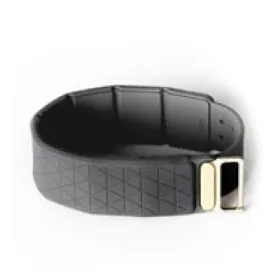
Recommendations for using CFS series “M”:
- Use CFS as a stand for a glass (container) in which you pour clean water. The water will be ready for consumption in a few seconds.
- Maintain an adequate intake of clean drinking informational water. WHO recommendations: 30-40 ml per 1 kg of body weight per day. The volume can be adjusted upwards or downwards depending on individual recommendations, weather conditions, and the region of stay.
- Wearing on the body (applications, patches, bandages with CFS and informational external means) has a local effect on tissues (joints, ligaments, muscles). Apply the device directly to the organ or its external projection for 10-15 minutes. The device can be gently secured with an elastic band. Important! There should be no effect of compression and constriction of limbs.
- Conduct enrichment using CFS technologies for various means (ointments, creams, solutions, ampoules, etc.), their preventive use, or according to the recommendations of specialized specialists. Place or put the bottle (tube) on CFS for a few minutes. The cap can be opened to speed up the process.
- Use in conjunction with physiotherapy equipment to support the functional state of the musculoskeletal system (magnetic procedures, ultrasound, electrophoresis, laser, shockwave procedures).
- Integration into comprehensive programs: combination with physical activities and therapeutic exercises, use in training on simulators (joint simulators), use in manual practices and massage.
It is recommended to include CFS in programs to support functional state in cases of:
- Consequences of musculoskeletal injuries
- Topic: joints and spine - support for functional state
- Conditions after orthopedic surgeries
- Neurological conditions of vertebrogenic origin
- Metabolic osteopathies (osteoporosis, osteomalacia)
The use of CFS in comprehensive support of functional state allows:
- Reduce recovery time
- Support the effectiveness of traditional methods
- Ensure impact on the main links of functional changes
- Reduce the load on the body
- Achieve sustainable improvement in condition
Integration of CFS into the functional state support program makes the process more physiological and comfortable!
Immobilization: secure CFS on a bandage/cast/orthosis in the projection of the area of impact and fix it. Alternative: fixation on the skin near the area (if there are no open wounds).
Cold procedures: use water activated by CFS technologies for cold compresses. You can apply CFS to a container with ice before freezing or to a cooling gel pack.
Physiotherapy procedures: place CFS on the body of the physiotherapy device. When using electrophoresis, apply a solution previously enriched with CFS technologies.
Therapeutic exercises: secure CFS on a limb or lower back (depending on the load area). When passively developing joints - on the instructor's hand.
Manual practices and massage: place CFS on the massage table or attach it underneath. The masseur can secure CFS on the forearm or wrist or place it in a pocket. Use oils/creams informationally activated by CFS technologies.
Training on simulators: secure CFS on the area being developed (knee, shoulder, spine).
Water exercises: place CFS in a waterproof case, secure it on the body in the projection of the area, and perform exercises.
- Acute period (0-14 days after injury/surgery).
Goal: reduction of pain syndrome, decrease of swelling, support of functional state.
Methods:
- Immobilization (cast, orthosis, bandage) to protect the area of impact.
- Cold procedures to reduce swelling and pain syndrome.
- Gentle therapeutic exercises (isometric muscle contractions, movements in free joints).
- Physiotherapy procedures (magnetic procedures, laser, electrophoresis).
- Subacute period (2-6 weeks)
Goal: support mobility, strengthen muscles, improve blood circulation.
Methods:
- Gradual increase in load (dosage movements).
- Physical culture (therapeutic exercises) - passive and active exercises.
- Manual practices and massage - relieving muscle tension, improving tissue trophism.
- Physiotherapy procedures (ultrasound, shockwave procedures, muscle stimulation).
- Kinesiotaping - support for muscles and ligaments.
- Recovery period (6-12 weeks and more)
Goal: support function, strength, and endurance.
Methods:
- Active therapeutic exercises (resistance exercises, balance training).
- Training on simulators (joint simulators).
- Water exercises (exercises in water).
- Sports support (gradual return to loads).
- Continuation of physiotherapy procedures if necessary.
- Preventive period (after recovery)
Goal: maintenance of functional state of the musculoskeletal and musculoskeletal systems.
Methods:
- Regular exercises (yoga, pilates, swimming).
- Correction of posture and movement stereotypes.
- Courses of supportive massage and physiotherapy procedures.
- Intake of “COLLAGEN CFS”, chondroprotectors, vitamins (D, calcium).
Additional recommendations:
- In each period maintain an adequate intake of clean drinking informational water. WHO recommendations: 30-40 ml per 1 kg of body weight per day. The volume can be adjusted upwards or downwards depending on individual recommendations.
- In case of fractures: CFS + calcium preparations → support the healing process.
- In case of arthrosis: combination with chondroprotectors → support for cartilage tissue.
- In case of neurological conditions: CFS along the spine → support for innervation.
Important clarifications!
- CFS does not replace medical supervision!
- In serious conditions, specialist control is mandatory.
- Individual adaptation: time may be adjusted depending on the sensitivity of the body.
- Breaks: after 2-3 months of continuous use, a pause of 1-2 weeks is recommended. For sustainable results, continuous or course application (at least 3-4 cycles per year) is recommended.
- Always maintain hydration; do not wear the Correctors on/with you in the following cases:
- If you have a pacemaker, do not wear CFS in the direct projection of its power source, as this will shorten the battery life.
- During surgical operations involving anesthesia, as anesthesia may not take effect.
- During electrophysiological studies of the body (ECG, EEG, etc.), to avoid affecting the results of the study.
- In acute surgical conditions requiring immediate surgical assistance.
- If there are stones in internal organs (especially in the gallbladder), CFS should be used with caution, worn not constantly, but in a dosed manner.
- It is not recommended to use Correctors if you have undergone organ transplantation surgery, as CFS supports immunity, which may affect the post-operative condition.